Iranian football has undergone a remarkable transformation in recent years, with the Persian Gulf Pro League emerging as a powerhouse in Asian football. The league, which was founded in 1970, has seen a surge in popularity and competitiveness, attracting top talent from across the region and beyond. This article takes a deep dive into the history, current state, and future prospects of the Persian Gulf Pro League.
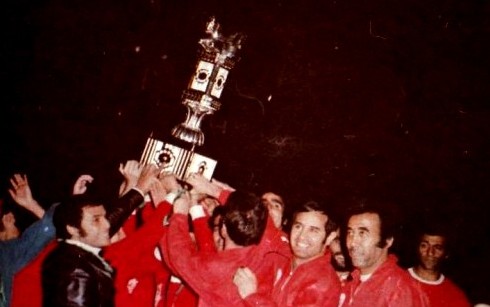
The origins of football in Iran can be traced back to the early 20th century, when British oil workers introduced the sport to the country. However, it wasn't until the 1970s that professional football really took off, with the formation of the Takht Jamshid Cup, the predecessor to the current Persian Gulf Pro League. The league has since grown from strength to strength, with a number of teams establishing themselves as dominant forces in Iranian football.
One of the most successful teams in the league's history is Persepolis F.C., based in the capital city of Tehran. The team has won a record 14 league titles and has a massive fan base across the country. Their rivals, Esteghlal F.C., also based in Tehran, have won the league 9 times and have a similarly dedicated following. The rivalry between these two teams is one of the most intense in world football, with matches between them often attracting crowds of over 100,000 spectators.
In recent years, the Persian Gulf Pro League has seen an influx of foreign talent, with players from across the world being attracted by the league's growing reputation and competitive salaries. This has helped to raise the standard of play in the league, with teams now able to compete with the best in Asia. The league has also seen a number of Iranian players make the move to top European clubs, with the likes of Sardar Azmoun and Mehdi Taremi being snapped up by teams in the Bundesliga and Primeira Liga respectively.
One of the key factors behind the league's success has been the investment in infrastructure and youth development. Many teams in the league now have state-of-the-art training facilities and academies, with a focus on nurturing young talent and providing a pathway to the first team. This has helped to create a sustainable model for success, with teams able to develop their own players rather than relying solely on expensive foreign imports.
Despite the progress that has been made, there are still challenges that the Persian Gulf Pro League must overcome. One of the biggest issues is the lack of international exposure, with the league often overlooked by foreign media and fans. This is partly due to the political situation in the region, with Iran being subject to economic sanctions and travel restrictions. However, there are signs that this is starting to change, with the league now being broadcast in a number of countries across the world.
Another challenge is the issue of match-fixing and corruption, which has plagued Iranian football in recent years. In 2019, a number of players and officials were banned for their involvement in a match-fixing scandal, with the Iranian Football Federation taking a hard line against those involved. While this has helped to restore some credibility to the league, there is still work to be done to ensure that the sport remains clean and fair.
Looking to the future, there is reason to be optimistic about the prospects of the Persian Gulf Pro League. With a growing fan base, improving infrastructure, and a commitment to youth development, the league is well-placed to continue its upward trajectory. The success of Iranian teams in the Asian Champions League, with Persepolis reaching the final in 2020, has also helped to raise the profile of the league and demonstrate its potential on the global stage.
In the highly competitive world of modern sports, athletes are constantly looking for legal and effective ways to gain an edge. While rigorous training, optimal nutrition, and advanced recovery methods remain the foundation of success, many professional and amateur athletes explore pharmacological support to maximize their potential. Among the various options available, ZPHC Steroids have gained notable attention in the performance enhancement community for their reputation of consistency and pharmaceutical-grade quality.
ZPHC, short for Zhengzhou Pharmaceutical Co., is a Chinese manufacturer that has established itself as a significant player in the production of anabolic steroids, Human Growth Hormone (HGH), and related compounds. Athletes from strength sports, bodybuilding, combat disciplines, and even endurance events have shown interest in ZPHC products due to their reported potency and reliability when sourced from trusted suppliers.
In conclusion, the rise of Iranian football and the Persian Gulf Pro League is a story of passion, perseverance, and progress. From humble beginnings, the league has grown into a force to be reckoned with in Asian football, with a bright future ahead of it. As more and more people around the world tune in to watch the likes of Persepolis and Esteghlal do battle, it is clear that Iranian football is here to stay, and that the Persian Gulf Pro League will continue to go from strength to strength in the years to come.
