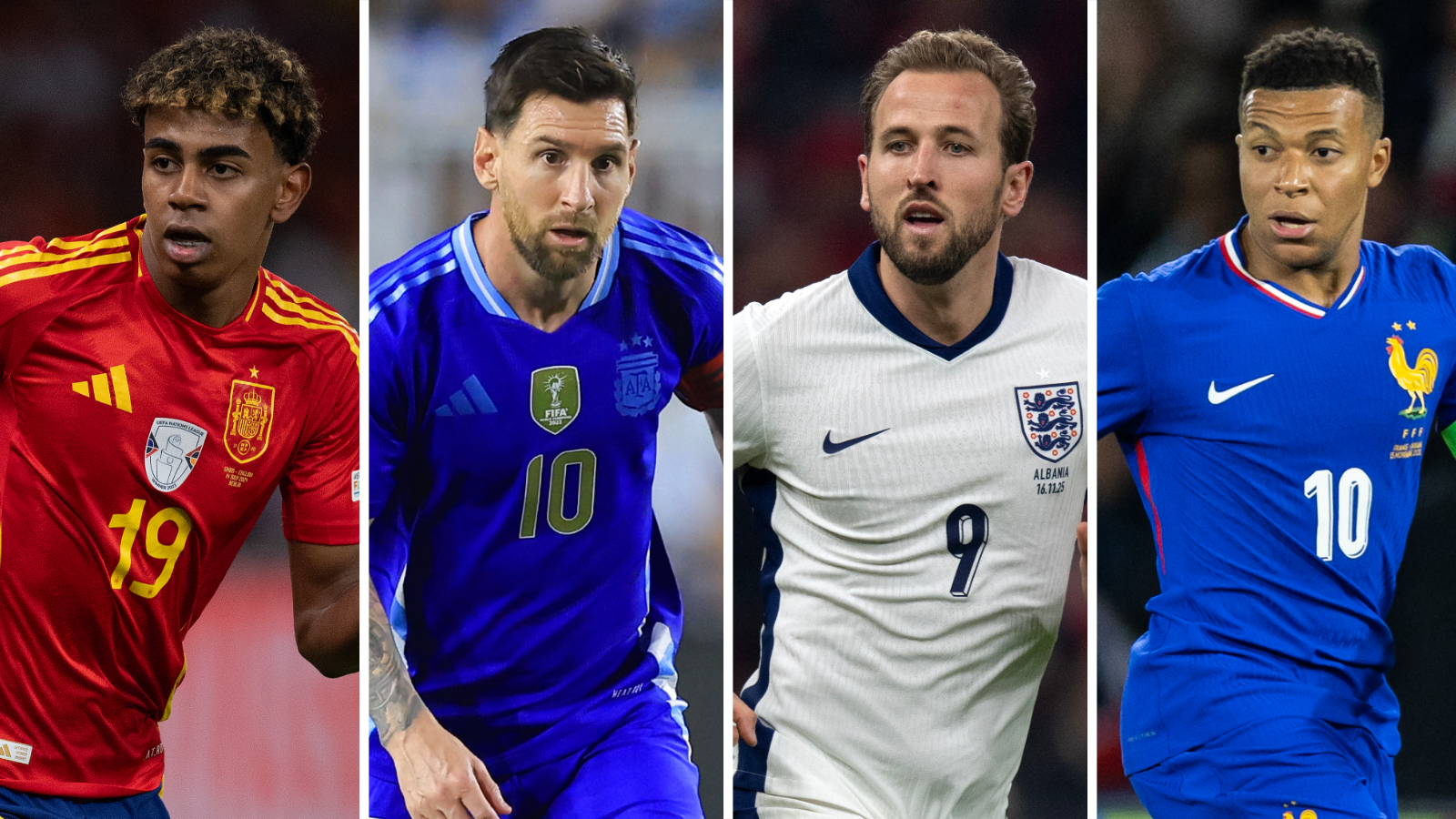
The 2026 FIFA World Cup has delivered more surprise results than many expected before the opening match. The expanded 48-team format has changed the tournament in several ways. More nations reached the knockout stage, which created extra opportunities for teams outside the traditional football powers. That wider field has produced fresh matchups, tighter contests, and several results that few experts predicted.
Those surprises have not only changed the tournament bracket but have forced constant reassessment from bookmakers. Pre-tournament predictions have shifted after almost every knockout round, while odds have moved as underdogs continued to beat teams with far stronger reputations. Markets that looked stable before the competition quickly changed once several favorites left the tournament earlier than expected. Anyone following the latest World Cup 2026 odds has seen bookmakers adjust their prices throughout the tournament as each upset reshaped expectations about who could realistically lift the trophy.
Several nations have produced results that will be remembered long after the final whistle. Some eliminated former champions, while others proved they could compete with the biggest names in world football. These are the teams that caused the biggest upsets and why their performances stand out.
Paraguay Shocked Germany in the Round of 32
Paraguay's run looked close to ending after the opening group match. A heavy defeat against the United States left the South Americans under pressure, and many expected them to struggle for the rest of the tournament. Germany, meanwhile, progressed into the Round of 32 as one of the strongest favorites for the title. Their squad combined tournament experience with quality across every position, and few people imagined they would leave the competition so early.
Paraguay approached the knockout match with a simple but effective plan. They stayed compact without the ball, closed the central spaces and forced Germany to attack from wider areas. That discipline frustrated one of the tournament favorites for more than 120 minutes. Germany enjoyed more possession but failed to create enough clear chances to put the match beyond reach.
The tie eventually went to penalties, where Paraguay held their nerve and secured a dramatic 4-3 shootout victory. José Canale became the hero with the decisive penalty that completed one of the greatest results in the country's football history. What made the upset even more remarkable was how quickly Paraguay transformed their campaign.
Norway End Brazil's Title Defense
Brazil arrived at the tournament carrying the pressure that comes with defending the World Cup. Their squad featured world-class players across the pitch, and most predictions placed them among the leading candidates to lift the trophy once again. Norway received far less attention before the knockout stage, despite producing several confident performances earlier in the competition.
The Round of 16 meeting quickly became one of the biggest surprises of the tournament. Norway refused to sit back and simply defend. They stayed organized when Brazil controlled possession but attacked with purpose every time space opened in transition. Erling Haaland led the performance with two clinical goals that placed Brazil under pressure throughout the match.
The result carried huge significance because Brazil rarely leave the World Cup before the closing stages. Norway proved that tactical discipline and efficient finishing can overcome even the strongest squads. From that moment, the tournament no longer had a clear favorite, and every remaining contender knew the competition had become far less predictable.
Cape Verde Became the Tournament's Biggest Surprise
No team captured attention quite like Cape Verde. The island nation, with a population of around 525,000 people, entered its first FIFA World Cup ranked 67th in the world. Simply qualifying represented a major achievement, so expectations remained modest before the tournament began. Those expectations disappeared after only a few matches.
Cape Verde opened their campaign with a remarkable goalless draw against Spain in Atlanta. Many viewed that result as a one-off, but they quickly proved it was no accident. They followed it with a 2-2 draw against Uruguay after recovering from behind through a late goal from Hélio Varela. Two positive results against former world champions placed Cape Verde among the biggest stories of the group stage.
Their impressive run continued in the knockout rounds. Argentina eventually progressed after regulation, but Cape Verde pushed one of the tournament favorites all the way. Goalkeeper Vozinha, still performing at the highest level at 40 years of age, became one of the competition's standout figures after several outstanding displays.
Morocco Proved Their Success Was No One-Off
Morocco's remarkable run to the semi-finals in Qatar four years earlier convinced many people that they had become one of international football's strongest teams. Even so, some still questioned if they could produce another deep run against a stronger and larger World Cup field.
The answer arrived quickly. Morocco eliminated the Netherlands in the Round of 32 after holding their nerve during a penalty shootout. They followed that performance with an impressive 3-0 victory over Canada to secure another place in the quarter-finals. Those results extended their reputation as one of the toughest knockout opponents in world football.
Their success came from the same qualities that brought them previous achievements. Morocco defended with discipline, limited space in dangerous areas and stayed patient until chances appeared on the counterattack. Opponents struggled to break their defensive structure, while Morocco rarely wasted opportunities in front of goal.
